

In 2025, the web is no longer just about search—it’s about action. OpenAI’s Atlas browser, integrated with ChatGPT, introduces agentic workflows that let users automate tasks directly within web pages. But Perplexity’s Comet browser has already mastered this art with smoother automation, no manual setup, and faster task execution.
So which AI browser performs better in real-world use cases? We tested Comet and Atlas side by side across multiple scenarios—from applying promo codes to analyzing data—and the results were clear.
💡 Related: Perplexity’s official Comet AI Browser | OpenAI’s Atlas Overview
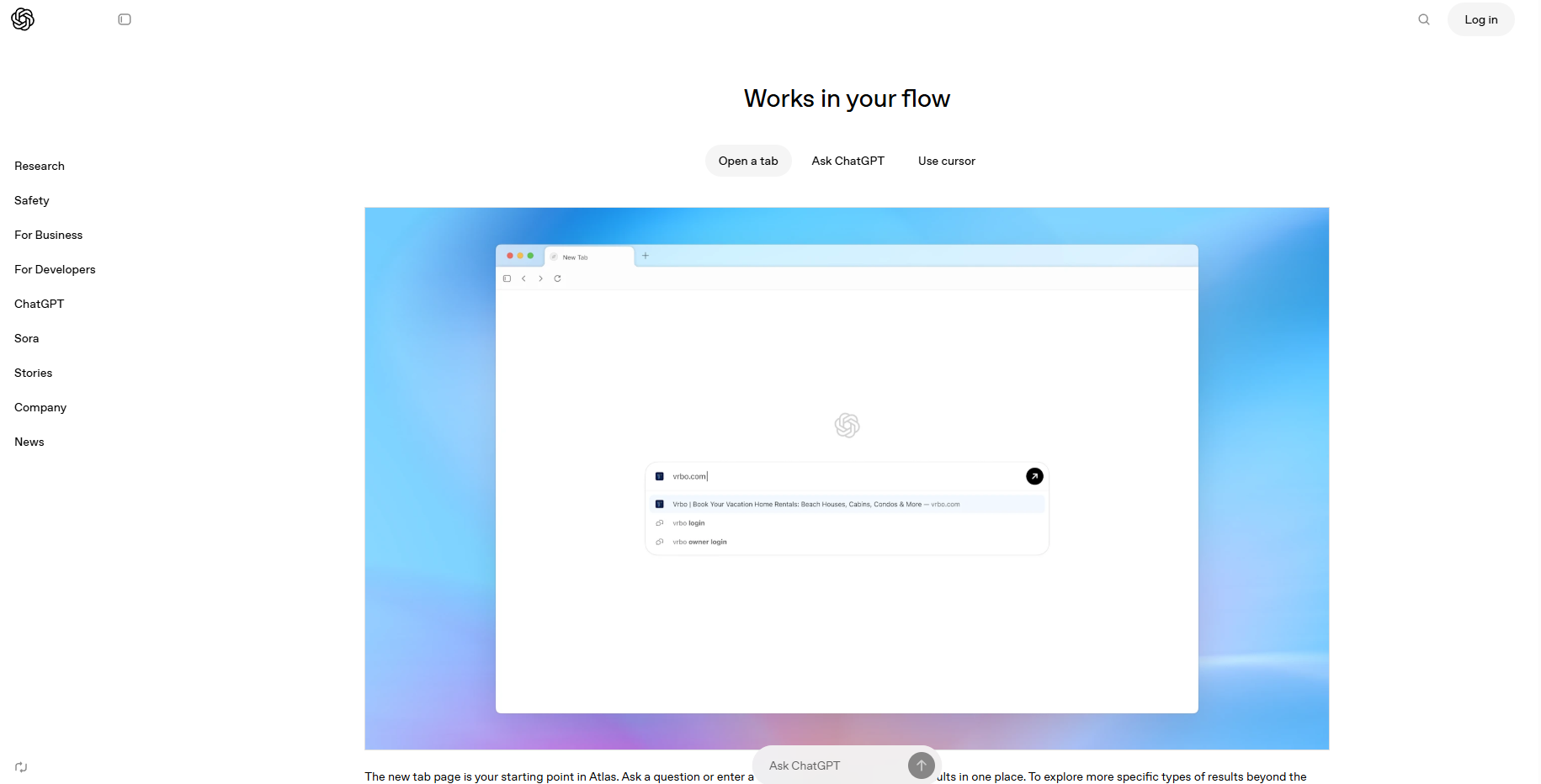
Atlas, the AI-powered browser from OpenAI, brings ChatGPT’s reasoning capabilities into a browsing context. It can perform agentic actions like clicking, navigating, filling forms, or reading site content.
However, users must manually enable “Agent Mode” before Atlas can take actions—limiting its seamlessness for continuous workflows.
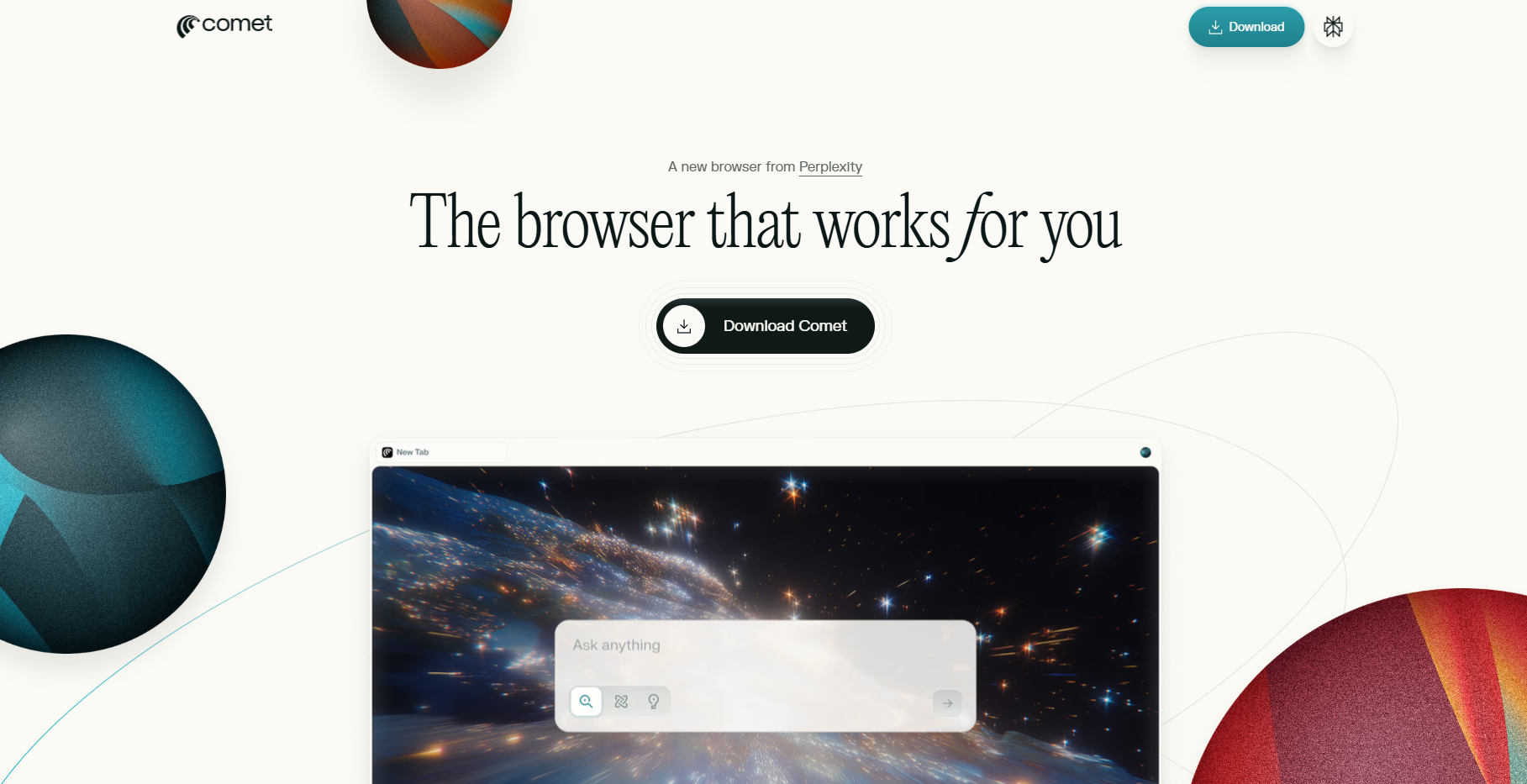
Developed by Perplexity AI, Comet represents the next stage of AI browsing evolution. It runs on the Chromium engine (like Chrome and Edge) but comes with a built-in autonomous assistant that acts across websites without manual toggles.
With Comet, users can:
Comet doesn’t just observe—it executes.
When testing both browsers on e-commerce sites:
Winner: Comet – faster, more autonomous, and stopped after finding the best discount.
Task: “Play the Steve Jobs clip on the intersection of liberal arts and technology.”
Winner: Comet – higher precision and better contextual understanding.
Both browsers were asked: Find a 3-bedroom beach house in Treasure Island, Florida.
Winner: Comet – more reliable natural-language search automation.
When publishing on Apple Podcasts, the browser must refresh until the “Publish” button turns purple.
Winner: Comet – true continuous agentic workflow.
Winner: Comet – faster access, fewer steps.
Asked to calculate the average podcast downloads per episode:
Winner: Comet – better at interpreting on-screen visual data.
Task: List top 5 USB microphones and open each in a new tab.
Winner: Comet – complete automation with no human interaction.
Comet automatically:
Atlas listed names like Jony Ive and Scott Forstall but couldn’t start the message.
Winner: Comet – better integration with productivity workflows.
Both Atlas and Comet showcase the future of browsing—AI-powered automation and context awareness. Yet Comet consistently outperformed Atlas in every major test:
While Atlas offers a sleek interface and tight ChatGPT integration, Comet is the browser that actually gets things done.
🚀 Experience Comet yourself: Perplexity Comet Browser
🧠 Explore OpenAI’s roadmap: Atlas by OpenAI
Q1: What makes Comet different from Chrome or Edge?
Comet uses the same Chromium foundation but adds autonomous AI actions, transforming it from a passive browser into an active assistant.
Q2: Does Atlas support full automation like Comet?
Not yet. Atlas requires manual Agent Mode activation before performing any web actions.
Q3: Is Comet secure for daily browsing?
Yes, but as with any AI agent, users should limit sensitive data exposure. Always review permissions before allowing AI actions.
Q4: Can Comet integrate with ChatGPT or OpenAI APIs?
Yes, Comet supports API-based integration for custom workflows and task automation.
Q5: Who should use Atlas vs Comet?
The AI browser race is just beginning. Atlas tries—but Comet does.
Perplexity’s Comet delivers the first truly autonomous browsing experience, pushing the limits of what AI can do inside a web environment.
Outline