

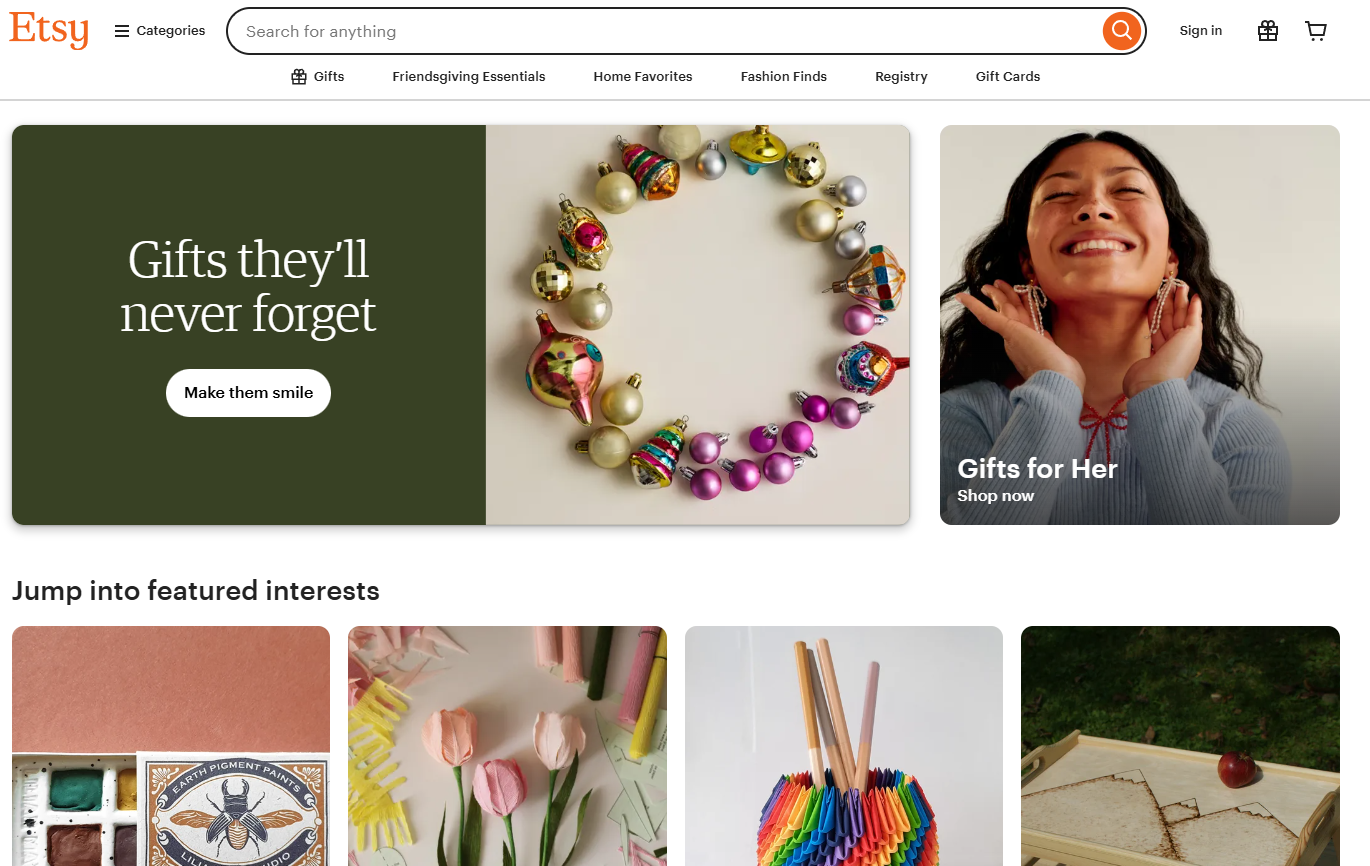
Etsy has become one of the most accessible global platforms for creative entrepreneurs, handmade sellers, and print-on-demand (POD) artists. Whether you sell digital downloads, custom art, or personalized gifts, Etsy allows you to start a business with minimal upfront investment.
This guide breaks down everything you need to know to open your Etsy shop—from setup costs and legal basics to marketing strategies and automation tips.
At the end, we’ll also show you how to use MasLogin, a powerful anti-detect browser, to safely manage multiple Etsy stores without triggering account bans.
The first step to success on Etsy isn’t technical—it’s psychological.
Many sellers spend months over-planning, fearing failure or rejection. The creator of the video emphasizes one rule: commit and start now.
Whether your goal is to sell handmade crafts, digital templates, or POD items, you’ll learn much faster by doing than by waiting for the “perfect moment.”
Etsy is incredibly beginner-friendly. You can launch your first store with as little as $15–$30.
Here’s what you’ll need to budget for:
Optional costs:
👉 Tip: Start small and reinvest profits as your shop grows.
One of the biggest advantages of Etsy is that you don’t need a full business license to start selling—especially in the U.S.
You can begin as a sole proprietor, then later register a business name with your county or state once sales increase.
As for taxes:
💡 Always consult a tax professional for state-specific rules.
1.Shop announcement: Add a welcoming message and a launch discount (20 – 30 %) to attract first customers.
2.Policies: Define your return, exchange, and privacy policies using Etsy templates.
3.Brand identity: Create a cohesive logo, banner, and “About” section that tell your story.
4.Profile photo: A personal or family picture adds trust and human connection.
Remember, Etsy shoppers come for authenticity and personality—don’t hide behind a generic storefront.
Etsy’s algorithm favors listings that offer good customer experience.
Avoid charging more than $6 for shipping where possible—high costs can reduce your search visibility.
If you sell POD products (T-shirts, mugs, posters, etc.), integrate with platforms such as Printify or Printful:
1.Create an account on the POD website.
2.Connect it directly to your Etsy shop using the integration link.
3.Set up your payment method for automatic order fulfillment.
4.Upload product designs and sync them to Etsy.
5.Submit your sales-tax-exempt certificate if applicable to avoid double taxation.
These integrations handle printing, packaging, and shipping automatically—letting you focus on design and marketing.
Etsy buyers love personalization. Enable gift messaging and branded package inserts through your POD provider.
Use two QR codes on your thank-you card:
Small gestures like these increase repeat purchases and positive ratings.
The hardest part isn’t opening your shop—it’s creating listings consistently.
Challenge yourself to publish at least one listing within 24 hours.
Momentum builds visibility; Etsy’s search engine rewards active stores that update frequently.

By isolating every account, MasLogin ensures safe, compliant, and efficient multi-store management—perfect for agencies, virtual assistants, and high-volume sellers.
👉 Visit MasLogin.com to start your free trial.
No. You can begin as a sole proprietor and register your business later once revenue grows.
Between $15 and $30 for setup, plus $0.20 per listing and small transaction fees.
Yes, Etsy automatically collects and remits U.S. sales tax for online transactions.
Offer launch discounts, use authentic photos, and encourage reviews with thank-you messages.
Usually 2–4 weeks for listings to get indexed. Consistency and engagement drive early traction.
Outline