Intro — Inflation pressure and shrinking first-party data make this Black Friday/Cyber Monday a game of clarity and speed. Based on three creator sessions, here’s a practical plan: start A/B tests early, keep the offer dead simple, front-load the hook in the first three seconds, mix stills with UGC video, and never turn off your evergreen winners during the sale.
Why testing matters now
Creators in the source talks stress two realities: data-driven iteration and precision targeting. In practice that means you begin A/B testing before November, validate the offer line (e.g., “30% off sitewide”) and the hook line (“Biggest sale of the year”), and use performance readouts to decide what scales. Simple beats clever when attention is scarce.
Offer strategy that actually converts
- Keep it simple. Flat, sitewide 20–30% off outperforms tiered discounts, BOGOs, or “gift with purchase.” Complicated math kills the scroll—and your CPA.
- Lead with the sale. Put the offer in the first three seconds of the creative (and the first line of copy).
- Reuse what wins. Take your top evergreen ads and overlay the sale—don’t rebuild everything from scratch.
Creative hooks people stop for (tested formats)
Use several, rotate daily, and let the numbers pick winners:
- Text-in-motion: paper tear/reveal; hand-written on a whiteboard; write on phone/mirror; sunglasses reflection; blue painter’s tape reversed; messages across fingers; Post-its with product b-roll.
- “Write it anywhere”: on a cake, coffee, or sand—playful, visual, and instantly legible.
- UGC gift stories: no-face unboxings with overlays; “gifting for her/him” with genuine reactions; Christmas-styled scenes (reds/greens, tree, stockings).
- Talking head + green screen: face to camera with your site in the background, mixing screen recordings and product b-roll, ending with a strong CTA.
- Gift guides: “Best gifts for pet parents,” “Secret Santa under $25,” or “last-minute gifts that ship fast.”
- Money savers: show cash visuals; “stop wasting money” hooks; “treat-yourself” framing.
- Website → real life: “what I ordered vs what I got,” magic transitions, mirror overlays.
- Reverse psychology: “3 reasons not to buy…” then flip to the real reasons to buy.
- Girl-math logic: cost per wear/use to justify the purchase—fun and persuasive.
- Unexpected POVs: “husband review” of a wife’s package; text-message interrupt storyboard; eyes-and-mouth over your site; product “served on a plate”; even a “dog splash” that “accidentally” triggers a deal.
Media mix & launch timing
- Run stills and video together; stills with offer text often carry cheaper reach, video drives persuasion.
- Don’t nuke evergreen. Keep your proven evergreen campaigns live while spinning up BFCM campaigns in a separate budget lane. On the day, shift budget to whichever is winning.
- Start early. Treat November as an extended BFCM window; increase intensity on the final weekend.
Production & ops (what creators actually do)
- Shoot on phones; edit professionally. iPhone footage feels native; teams finish in Premiere/After Effects.
- Licensed audio only. Skip trending tracks. Royalty-free libraries like Artlist keep you safe while matching the vibe.
- Creator bench > one-offs. Work with a small, repeatable creator roster; share tight briefs and shot lists.
- Measure creative, not opinions. Use your reporting stack (many reference “Motion reports”) to read hook rates and drop-offs, then iterate. For discovery and swipe-files, ad-research tools such as Foreplay help you organize what to test next.
- Non-physical products? Use the same text-first hooks and pair with site green screens and travel/utility b-roll.
- Demographic nuance. Older audiences tolerate longer, more educational edits; you can slow the cut pace and add “how-to” detail.
Pitfalls to avoid
- Tiered/complex offers that need paragraphs to explain.
- Turning off your evergreen top performers during the sale window.
- Over-produced “brand films” when attention is won by clear text + quick product proof.
Make your ad account safer (and faster) with MasLogin
Common pain points: multiple markets and accounts on one machine, mixed cookies/fingerprints, creators logging in from different regions, and teams testing dozens of variants per day. These patterns trigger platform defenses and slow you down.
How MasLogin helps:
- One profile = one identity. Isolate fingerprints, cookies, and local storage per test cell to avoid cross-contamination.
- Per-profile proxies. Match geo/timezone to the market you’re testing without IP collisions.
- Share with least-privilege. Give a creator/editor “open only” access to a profile and revoke it after the push.
- RPA-friendly. Light automation for repetitive open-check-publish flows without exposing your main browser.
Quick start:
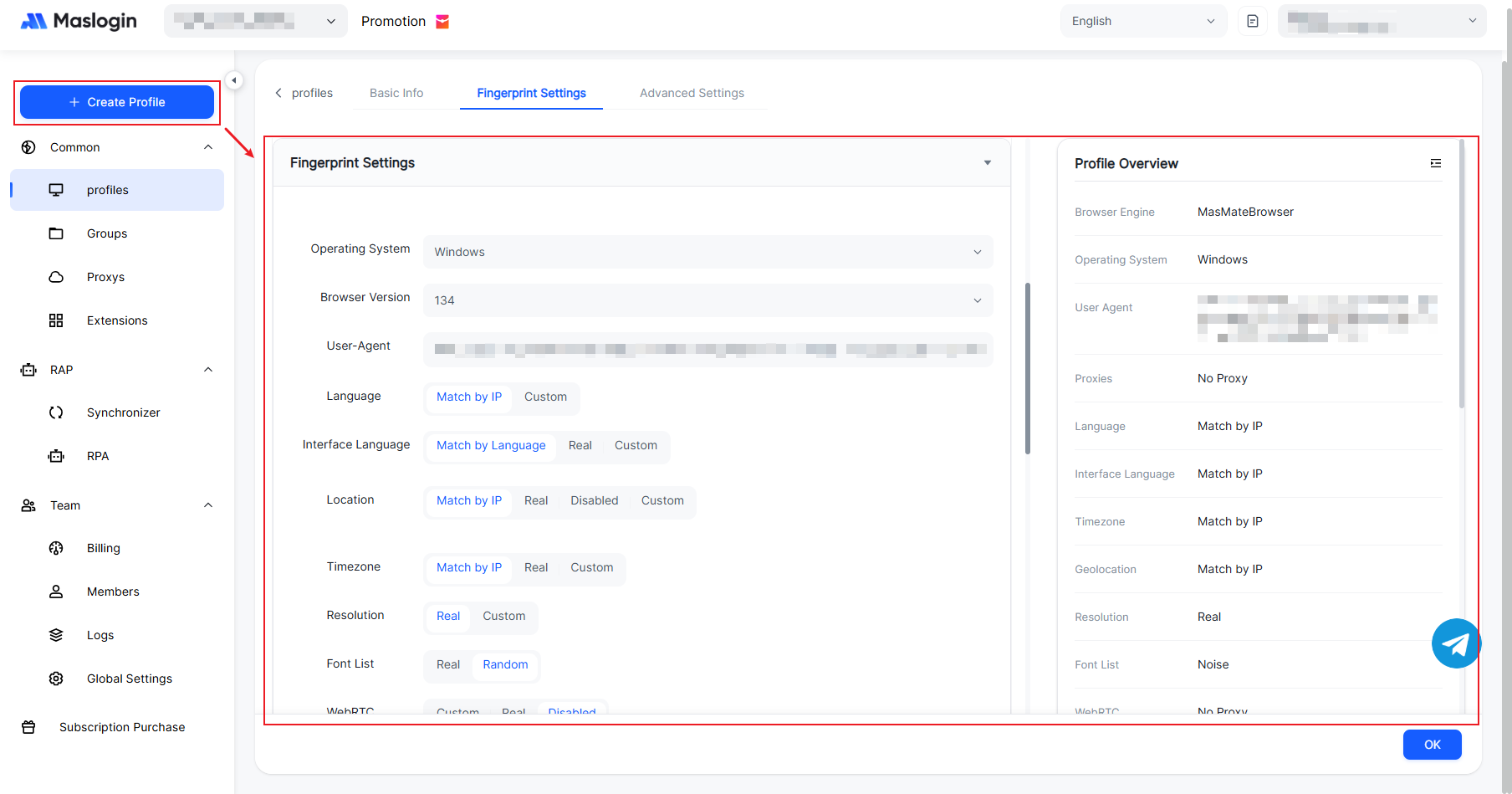
- Create a “BF-CM-Creative-xx” profile in MasLogin → align language, time zone, resolution, and IP with the target market.
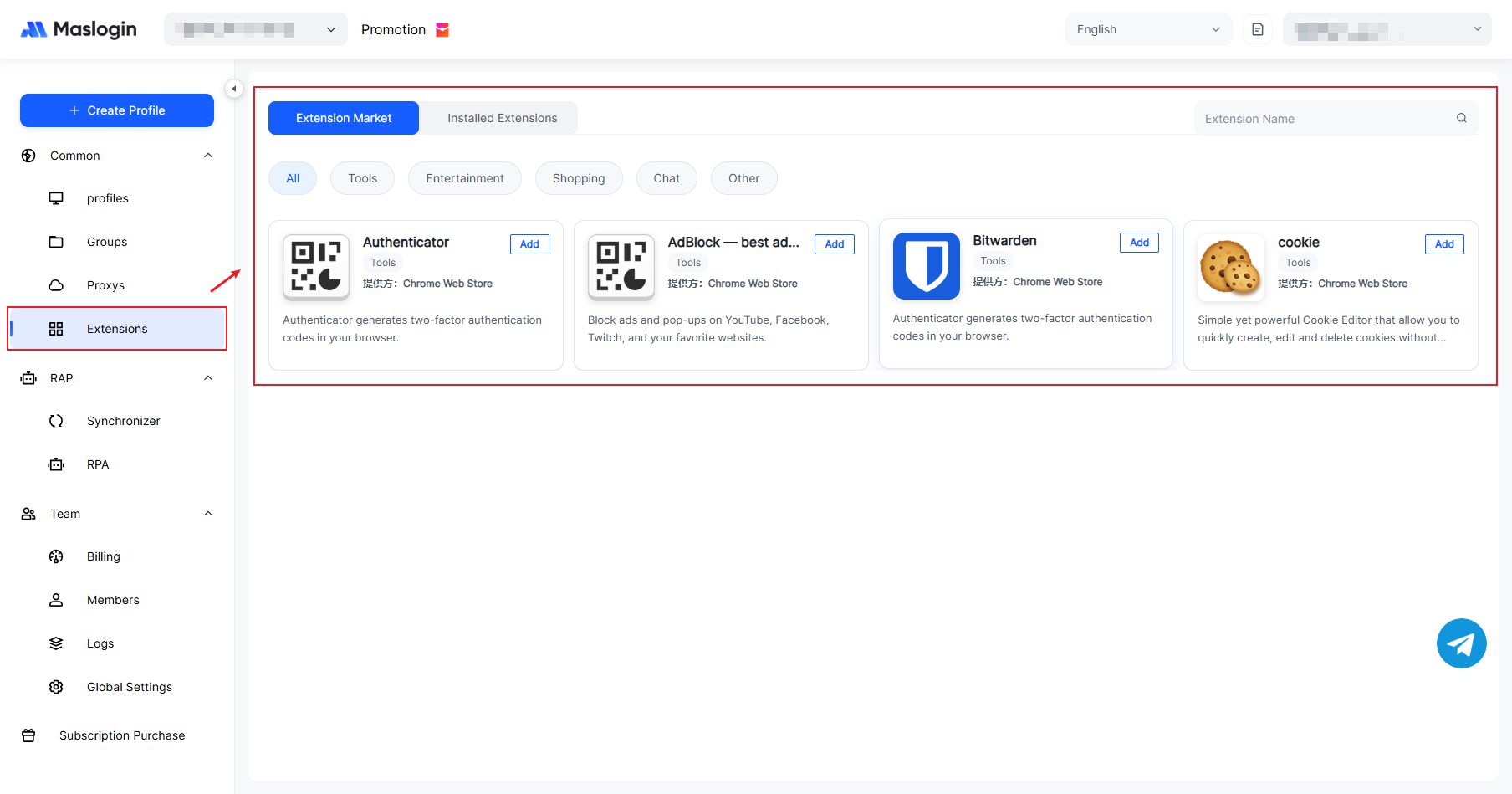
- Install standard production/traffic extensions → import brand bookmarks (site admin, ad platforms, asset libraries).
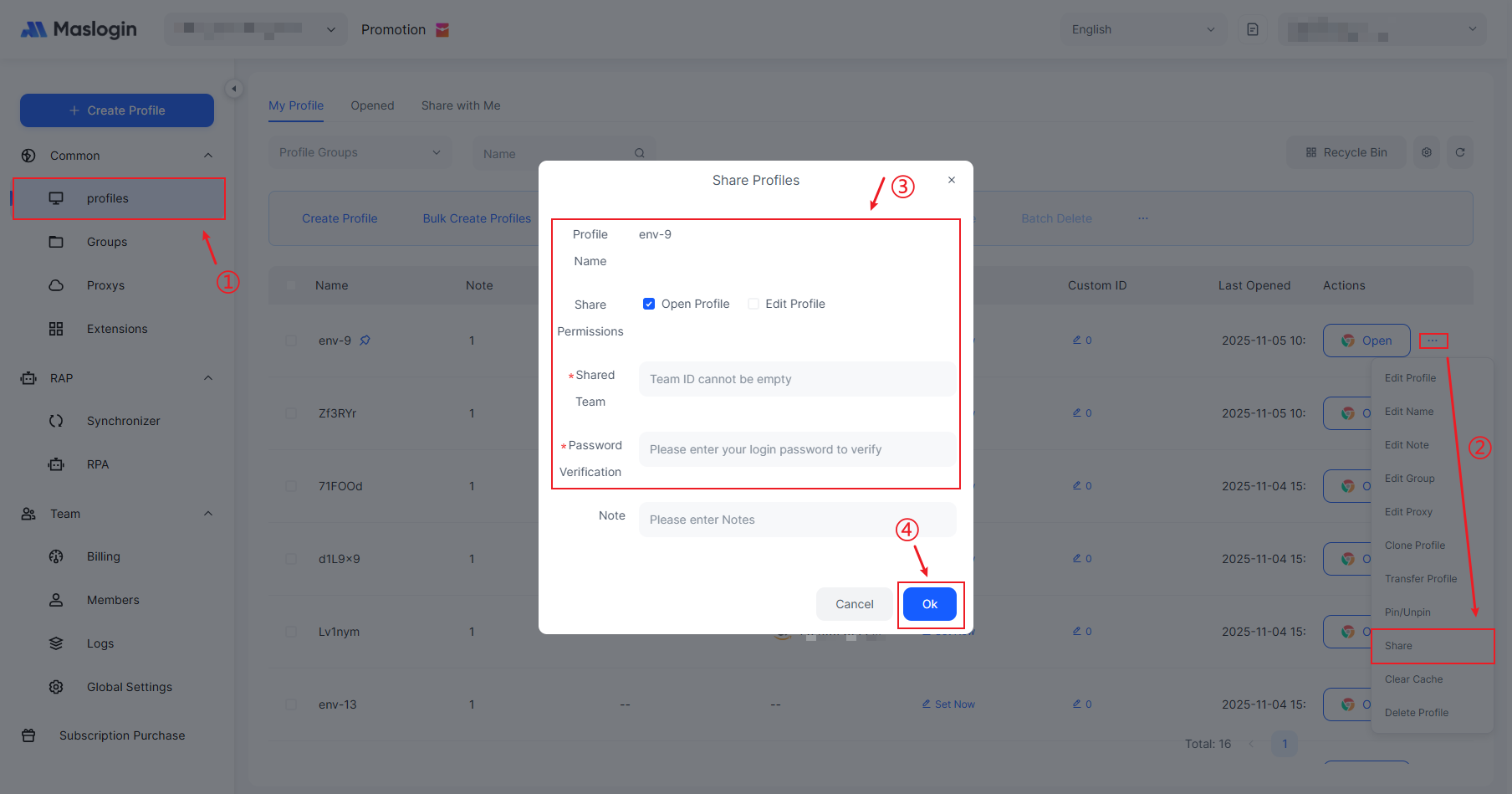
- Use Share to distribute the profile to media buyers and editors; after BFCM, revoke access in one click and archive the profile for reuse without reconfiguration.
FAQ
Q1:How many new creatives vs last year’s winners?
Run both in parallel. Keep evergreen winners live, clone them with sale overlays, and launch a separate BFCM campaign. Let spend gravitate to the best performer day-by-day.
Q2:What’s the right offer level?
Most brands convert on simple 20–30% sitewide. If you can afford more, test it—but keep the math easy to read in one glance.
Q3:When should I start ads?
Launch in early November. Treat BFCM as a month-long sprint and increase budgets around the main weekend.
Q4:Do these hooks work for older audiences?
Yes—slow the pacing and add explanation. Longer, calmer edits perform better for 55+ than hyper-cut TikTok pacing.
Q5:How do I get ad inspiration without guessing?
Study competitors in the Meta Ad Library, collect swipes in a tool like Foreplay, and watch creator breakdowns (e.g., The Social Savannah). Then test, measure, and iterate.