

Standing out on Fiverr isn’t about “list it and orders appear.” It’s about clear positioning, truly deliverable skills, and reusable workflows. This guide walks through offer selection and skills practice, proactive tactics for the cold-start phase, revision and time management, plus three high-demand, AI-assisted service patterns. You’ll build a sustainable pipeline and get a practical plan for efficiency and collaboration.
Buyers won’t pay for half-finished work. Before you publish a gig, self-audit: are your deliverables repeatable, explainable, and scalable? For language-heavy services (writing/copy), lean on university technical writing guides (e.g., Purdue OWL) to strengthen structure and evidence. Before you dive into a niche, run market research and competitive analysis to clarify buyer personas, budget bands, and common deliverable formats (see the U.S. SBA’s research & competitive analysis). Launch after your craft is dialed in to cut revision loops and bad reviews.
Tip: build a “sample → feedback → iteration” loop for each skill and only list once you can deliver consistently.
These lanes have strong demand and lend themselves to standardized workflows and templates.
Common pain points: frequent account switching across projects causes confusion; reconfiguring extensions/bookmarks/proxies wastes time; access control is messy; repeated logins to client backends trigger extra verification.
Why choose MasLogin:
Project-level environment isolation: create a dedicated browser-fingerprint profile per client; save language/timezone/resolution/proxy in one click for safe reuse, reducing verification flags.
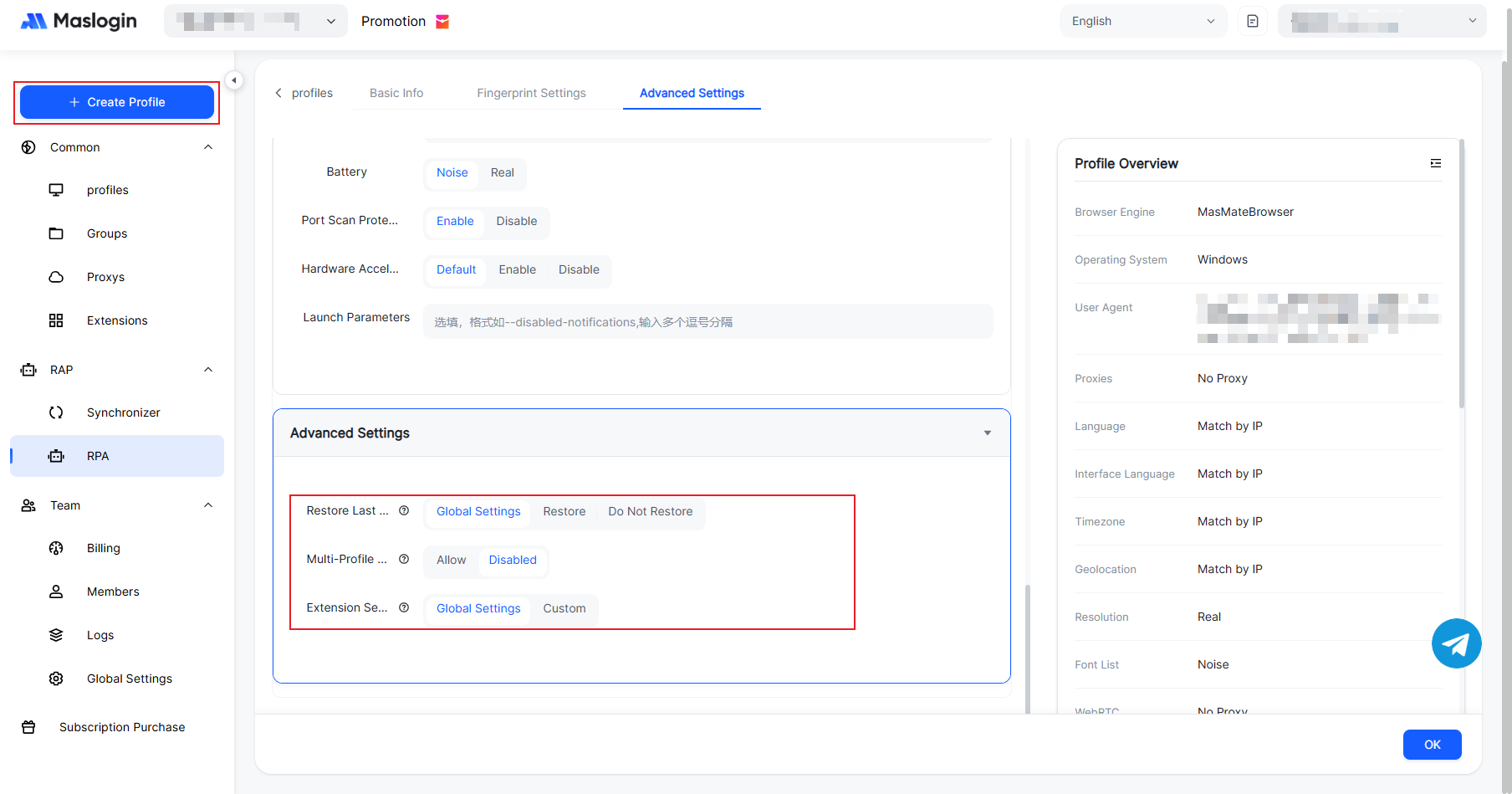
WYSIWYG delivery: in global settings, save the needed extensions, asset bookmarks, and forms inside the environment so everything is ready on reopen.
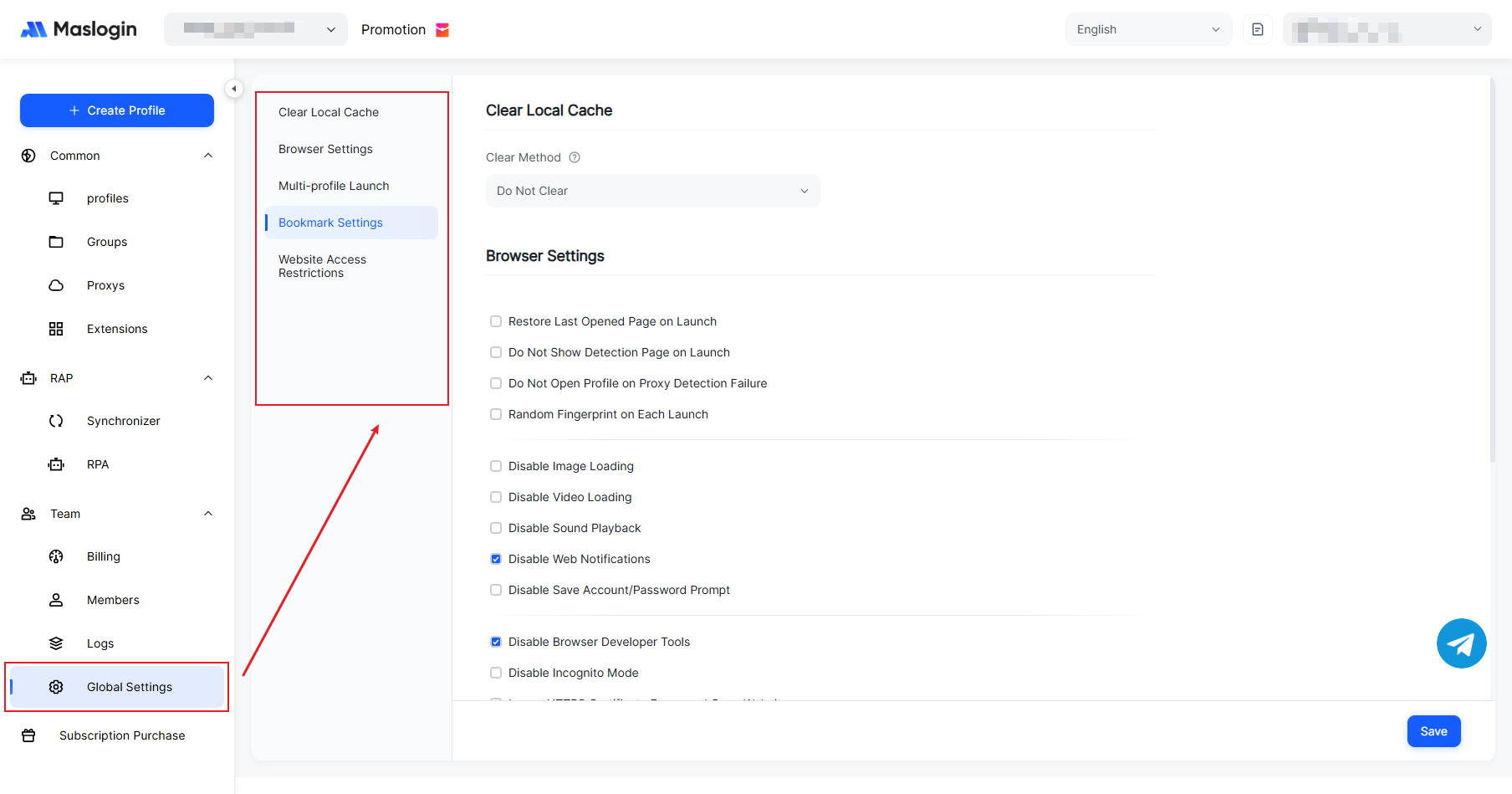
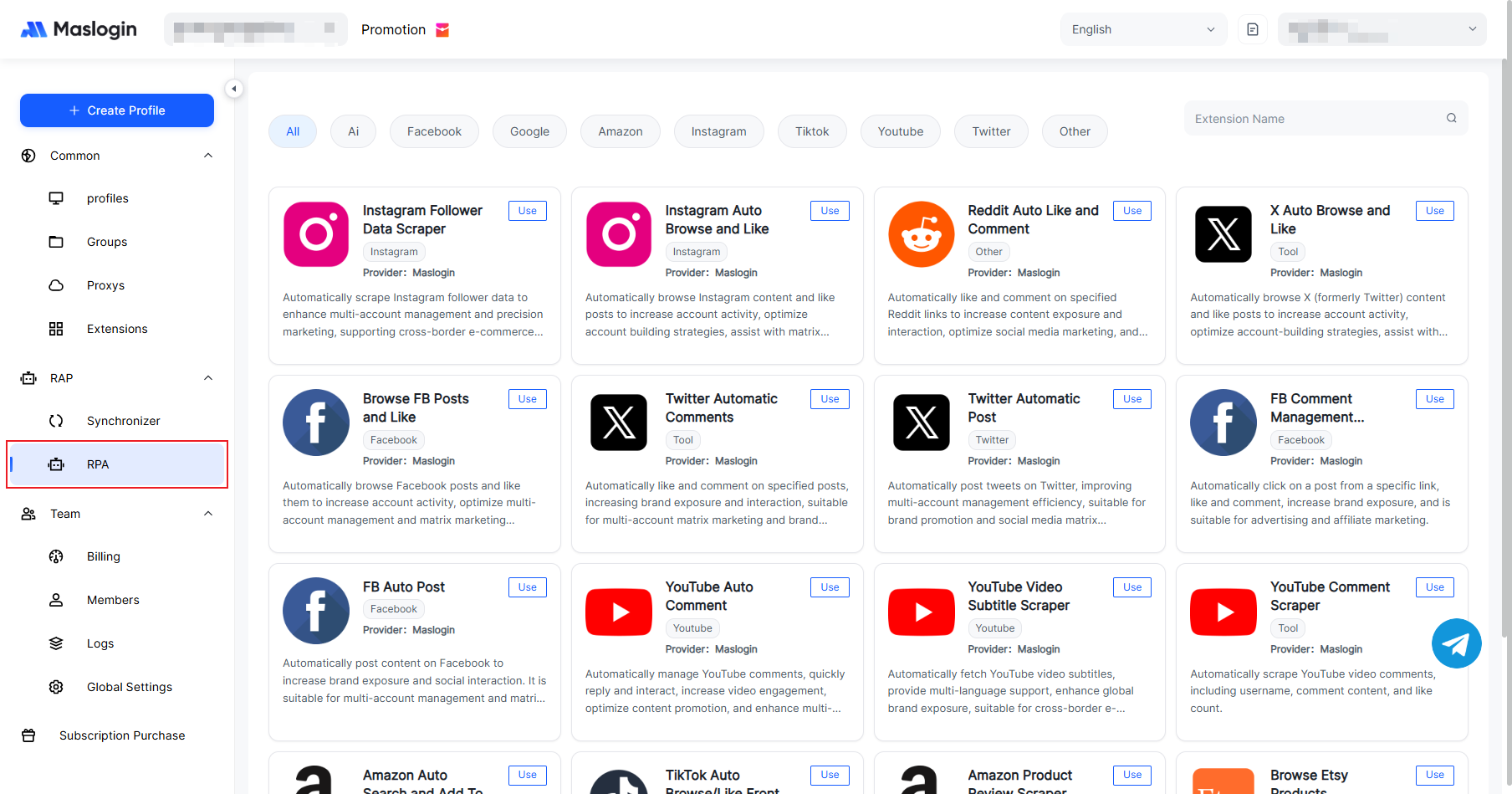
Use RPA to automate routine steps for faster, simpler operations.
Polish via practice projects until you can deliver repeatably. Deconstruct benchmark work, rewrite the structure, iterate multiple rounds, and use small jobs to earn your first quality reviews as social proof.
It varies. Control your controllables: promise outcomes clearly above-the-fold, keep pricing/terms simple, show verifiable samples and workflow, and reply within 24 hours. Reuse stable, converting copy blocks to scale impressions.
Lock scope and edit counts before purchase; deliver with your design/copy rationale; handle out-of-scope via add-ons or new milestones. Avoid emotional back-and-forth—use process and evidence to align.
Stick to AI draft → human edit → use-case validation. Maintain a glossary, brand voice rules, and visual standards; run a pre-delivery usability check (sizes, captions, readability, CTA) and compatibility exports.
Keep it clear, simple, and scalable: a Basic plan focused on the core outcome; a Standard plan adding speed/extra versions; a Premium plan with strategy input and rush priority. Avoid complex tiers that increase comprehension cost.
Outline
_00000.png)